![Pulse Clean Energy [Penn]](http://images.squarespace-cdn.com/content/v1/6a574f55ffbf1c23dde4e438/1784106841823-24AH6606TCQQ2ECKGEED/Screenshot+2025-10-09+at+15.49.44.png?format=1500w)
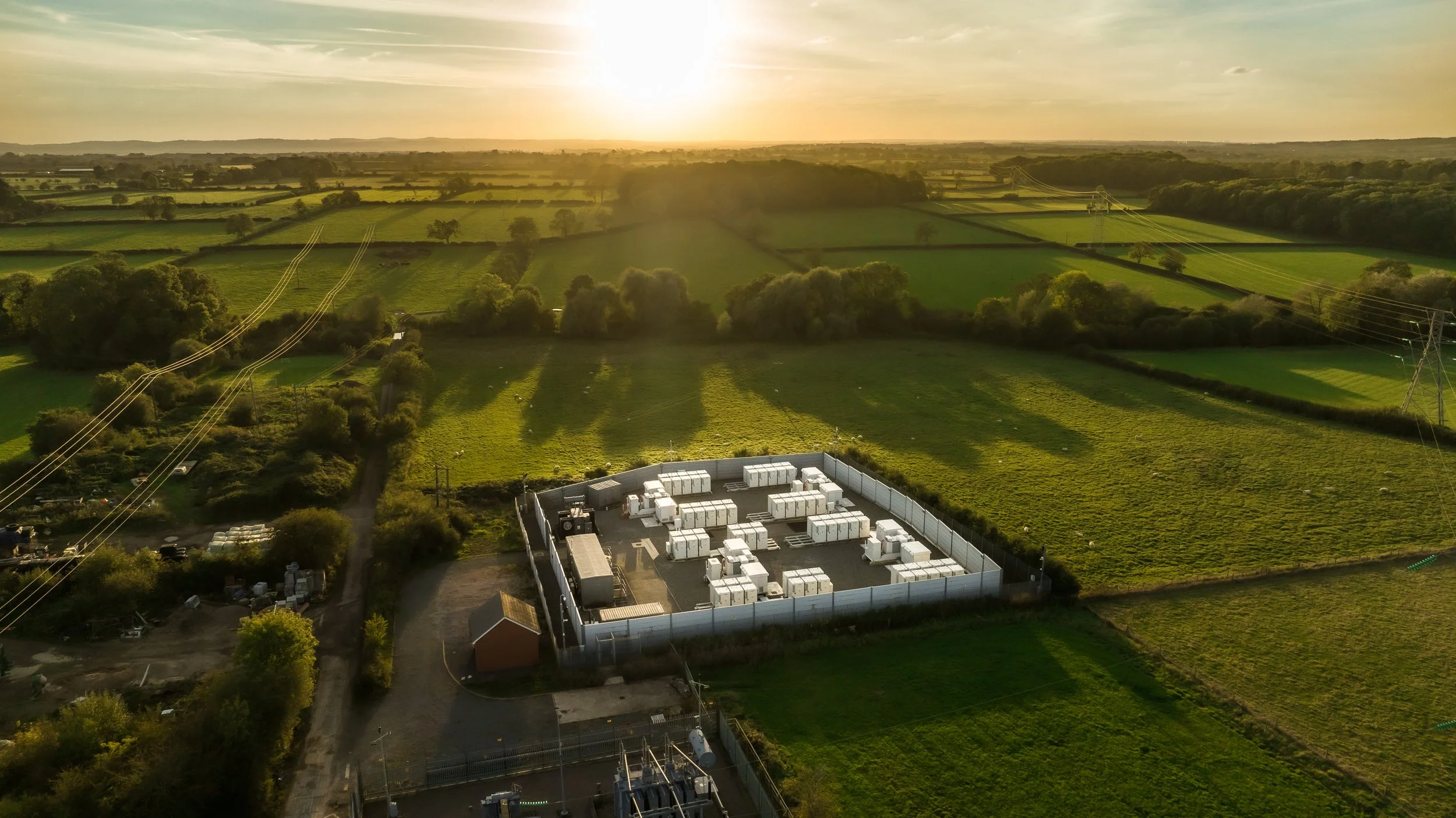
View of completed scheme in Willoughby in Leicester by Pulse Clean Energy.
Pulse Clean Energy
Penn Battery Storage Facility
Accelerating South Staffordshire’s Transition to Clean and Renewable Energy
What are we developing?
Pulse Clean Energy is preparing to start the construction of Penn Battery Storage Facility on land off Union Lane, Lower Penn, South Staffordshire.
The site is located south of Lower Penn substation, northwest of Blackpit Lane, 1.1km south of Lower Penn, 1.6km north of Wombourne and 1km northeast of Trysull.
Construction is scheduled to start on the 28th of August with an estimated 12-18 month construction period.
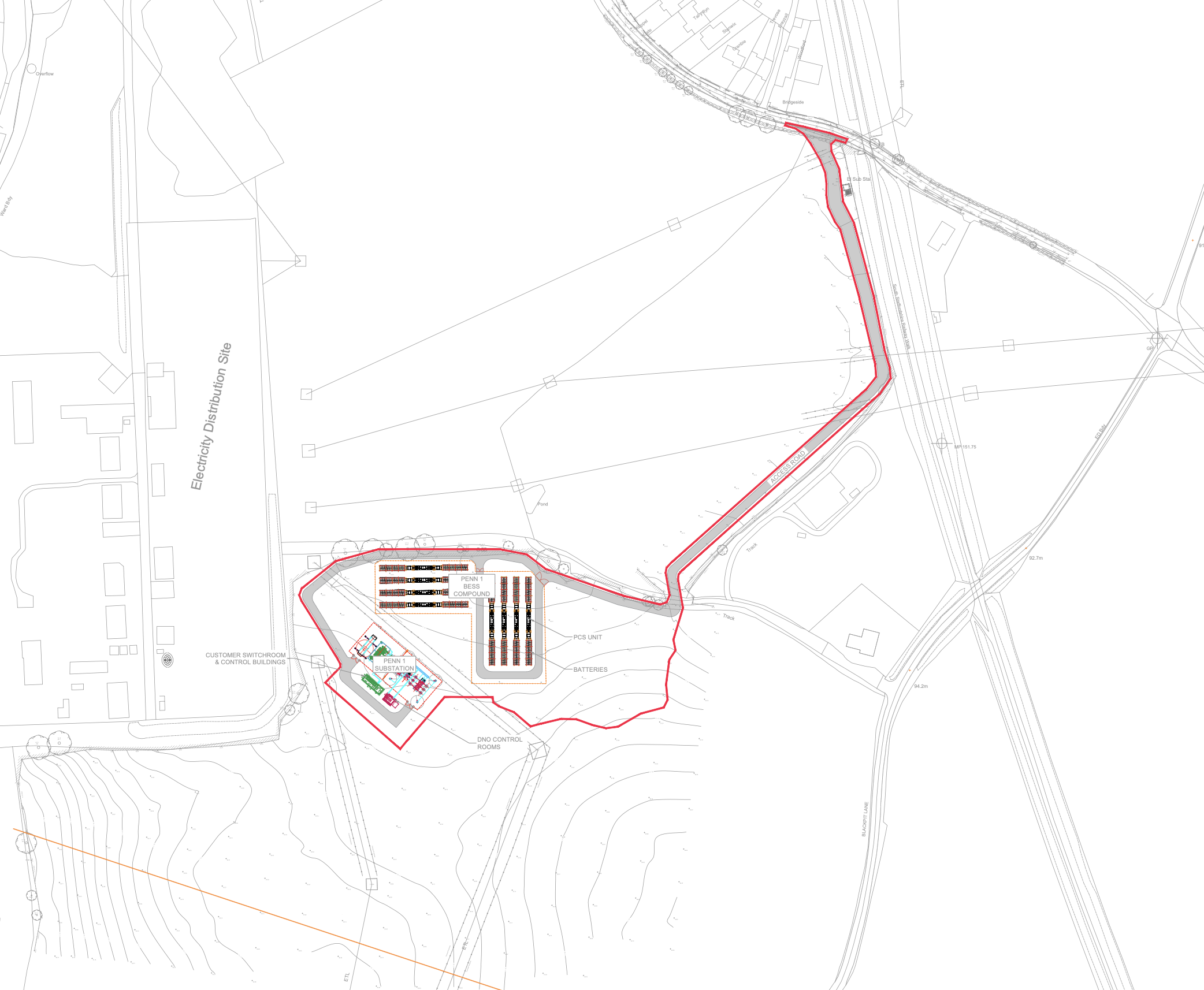
Site Layout Plan
View of completed scheme Hirwaun in South Wales by Pulse Clean Energy.
Construction Traffic
We recognise that construction traffic is an important consideration for local residents and are committed to managing vehicle movements carefully throughout the construction period.
A Transport Statement has been prepared by Pulse Clean Energy and approved by the South Staffordshire Council.
Key measures will include:
A dedicated construction route for Heavy Goods Vehicles (HGVs), ensuring construction traffic follows an agreed route to and from the site and avoids unnecessary use of local roads where possible.
Managed HGV arrivals and departures to reduce the likelihood of vehicles meeting at the site entrance, with vehicle movements coordinated throughout the construction period.
A trained banksman on the site access road to assist HGVs entering and leaving the site safely.
Additional temporary traffic management measures, such as advance warning signs or temporary traffic signals if required, to support safe vehicle movements.
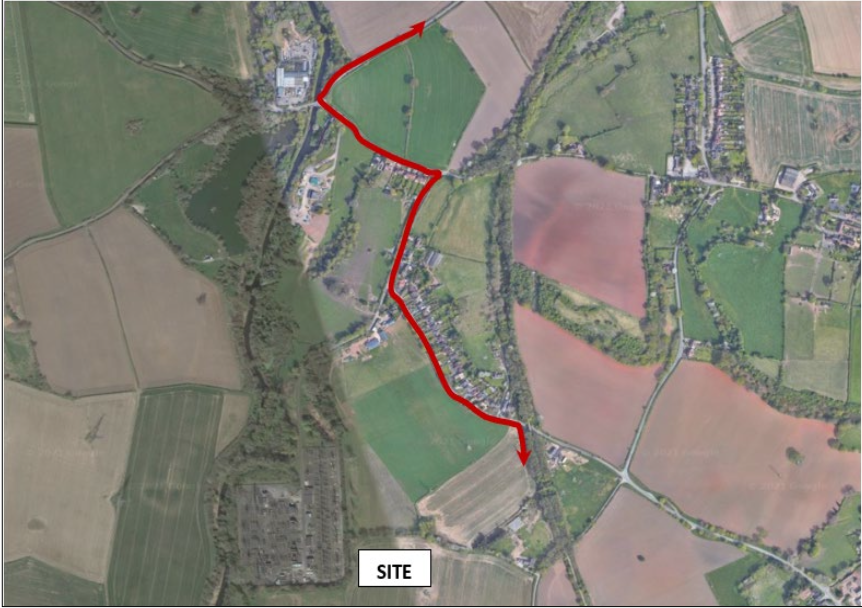
The proposed route construction traffic route is to and from the northwest, i.e., past the substation access. Beyond the substation access, site traffic will turn west onto Dimmingsdale Road and right at the junction of Dimmingsdale Road and Langley Road (see figure above).
Once construction is complete, the battery energy storage facility will operate as a largely automated site requiring only occasional maintenance visits, resulting in very low levels of operational traffic.
Contact details
24-Hour Emergency Contact
This will be updated before construction begins.
Communications Lead
Cem Sabri
0800 707 4178
contact@pennbatterystorage.co.uk
Who are Pulse Clean Energy?
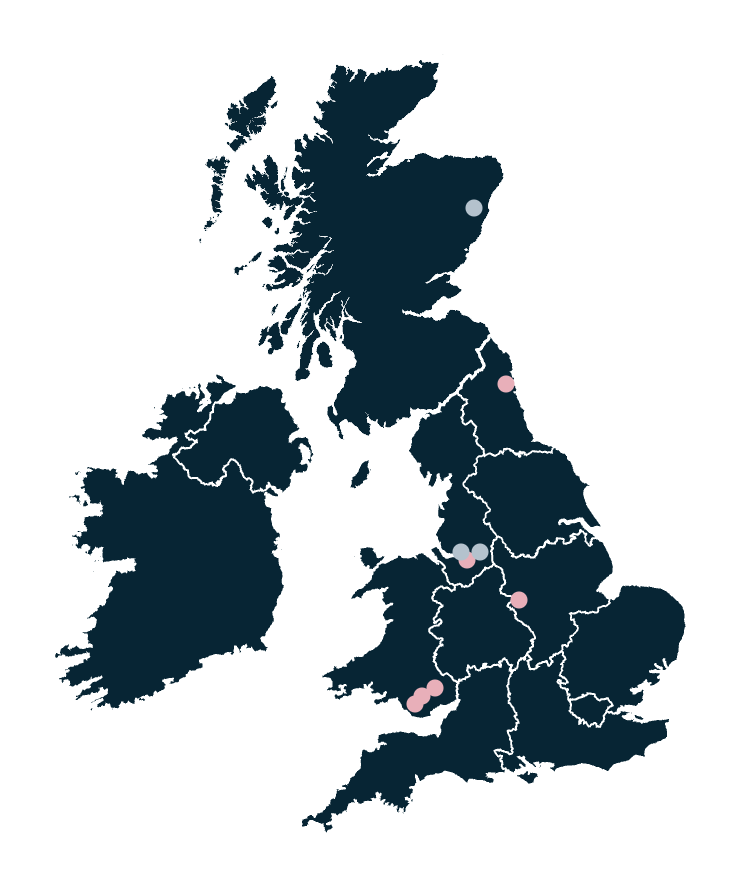
Pulse Clean Energy is an investor, developer and operator of flexibility and stability assets. Pulse has delivered 175MW of BESS into operation, has 80MW currently under construction in England and has 335MW ready to build.
As a leader in energy storage, Pulse Clean Energy develops innovative solutions to balance, optimise and secure the energy network. Driven by unshakeable ethical and sustainable values, its vision is a secure, clean, lower cost energy network that improves lives for all.
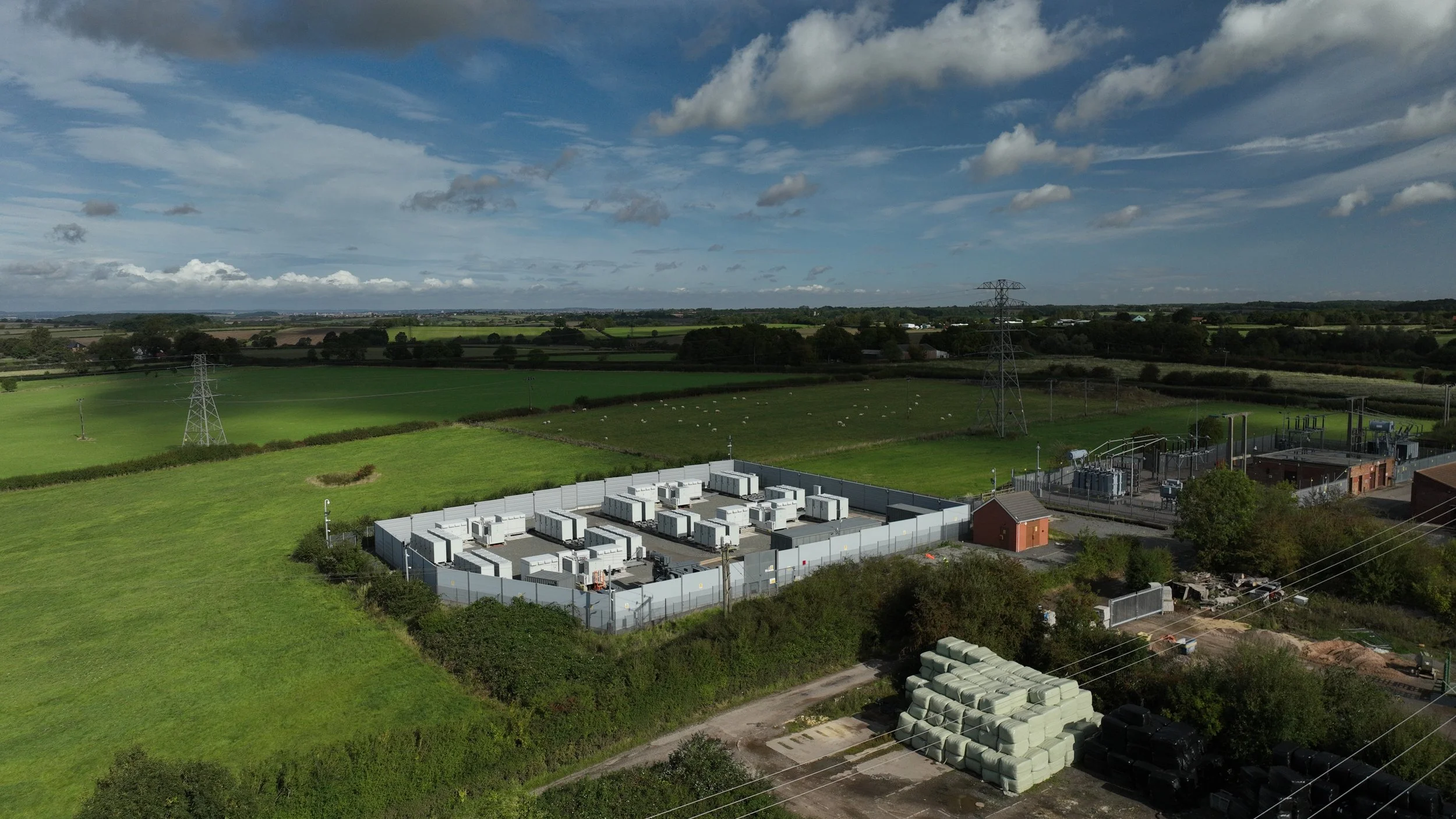
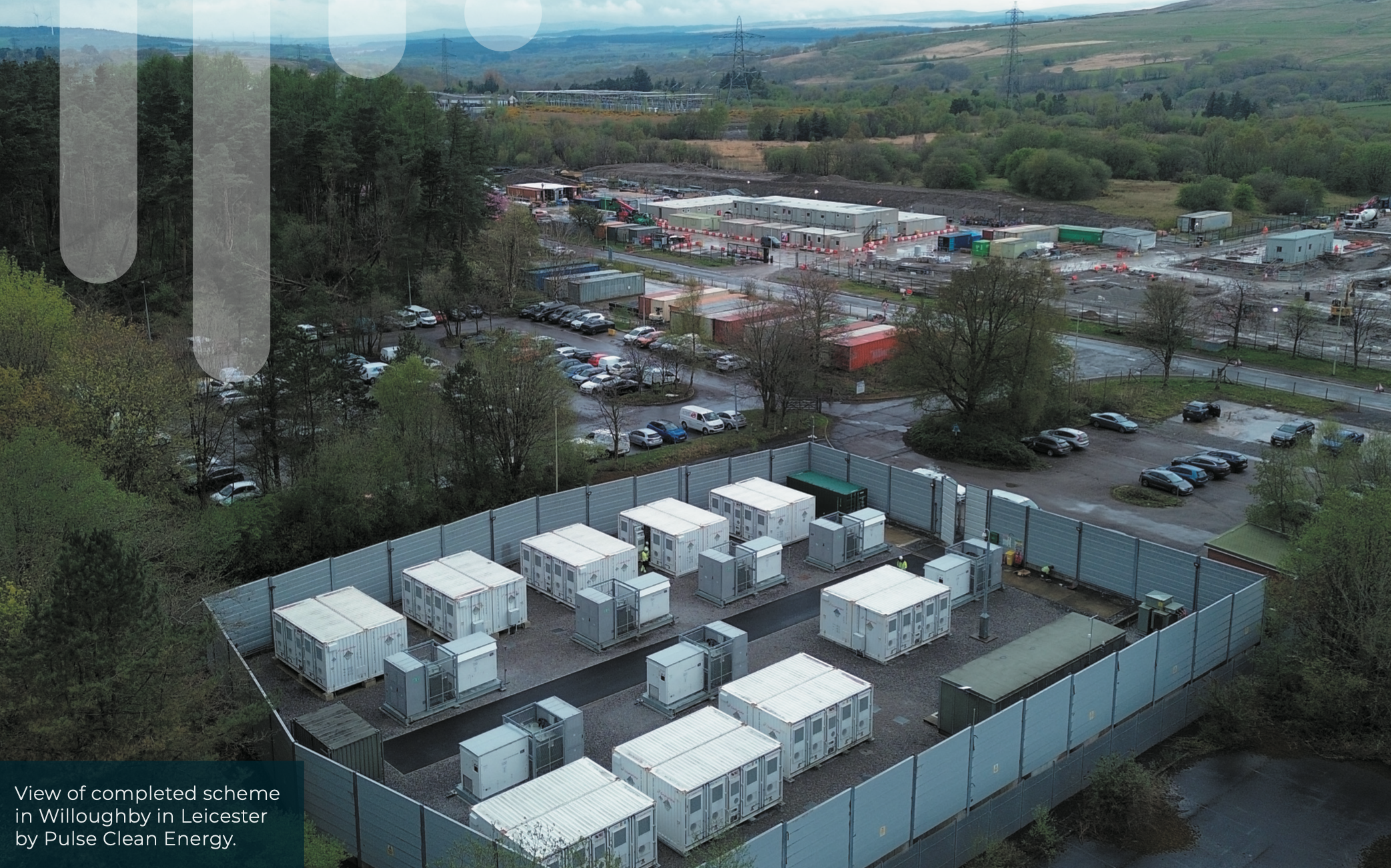
View of completed scheme in Willoughby in Leicester by Pulse Clean Energy.
Indicative Timeline
Site Preparation & Groundworks | Q3 2026 - Q1 2027
Establishment of the construction compound and temporary site facilities
Construction of access tracks and hardstanding areas
Installation of perimeter fencing and CCTV
Groundworks and foundations for battery units and ancillary buildings
Installation of site drainage and earthworks where required
Electrical Infrastructure | Q2 2027 - Q3 2027
Delivery and installation of prefabricated Battery Energy Storage System (BESS) units
Installation of Power Conversion System (PCS) units, transformers and medium-voltage (MV) equipment
Installation of customer substation, switchgear and associated electrical infrastructure
Installation of internal cable network connecting all equipment
Grid Connection & Electrical Works | Q3 2027 - Q4 2027
Completion of electrical connections between battery units, PCS and substation
Installation and testing of protection, control and communication systems
Final connection to the National Grid infrastructure
Testing & Commissioning | Q4 2027 - Q1 2028
Testing of all battery storage and electrical systems
Safety and performance testing of protection and control systems
Commissioning of the Battery Energy Storage System
Final energisation and handover of the site
Landscaping (According to Planting Season) | Q2 2028
Seeding and planting of the site and boundaries
Implementation of the approved landscape planting scheme
Planting undertaken during the next suitable planting season where required
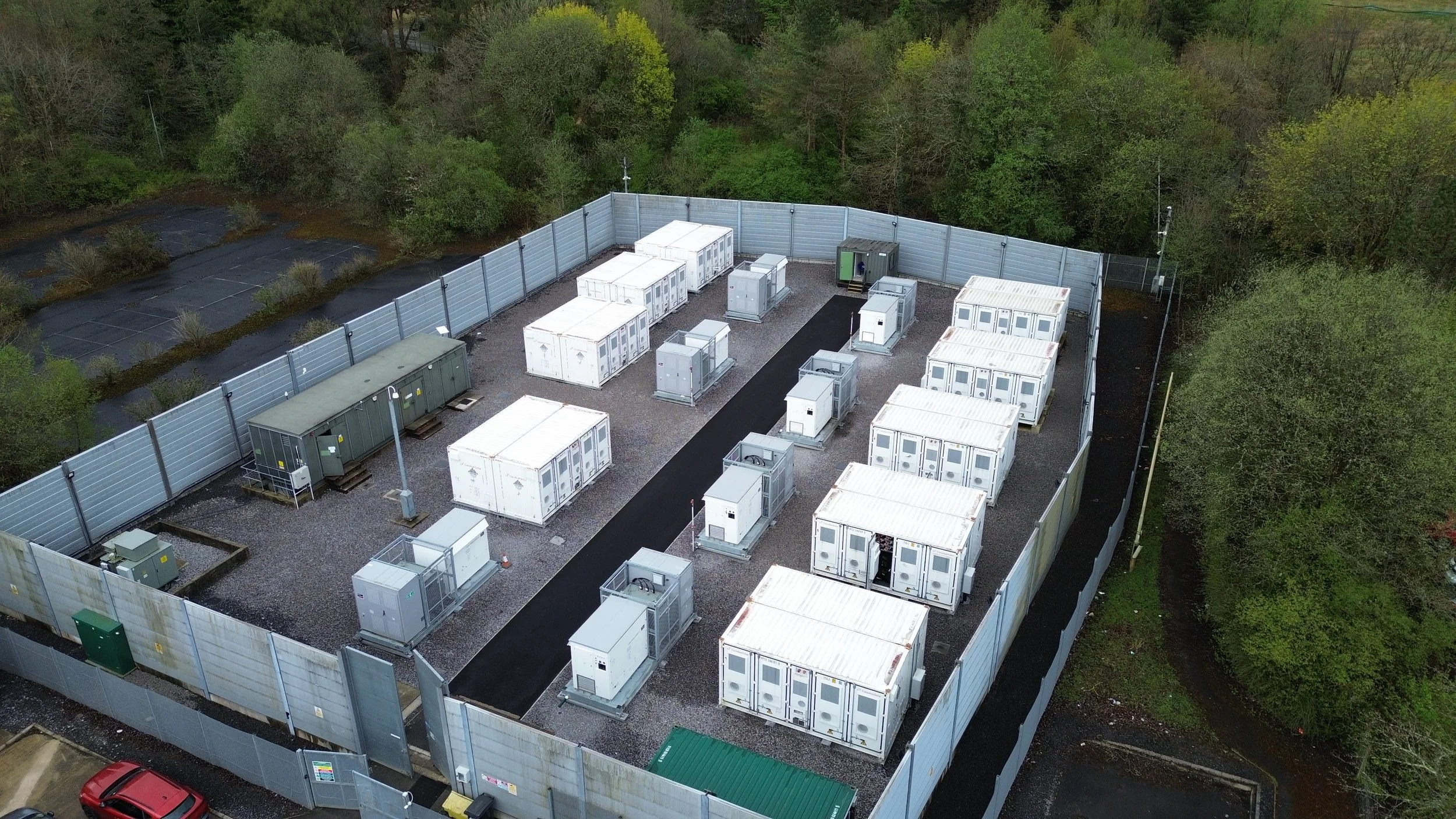
View of completed scheme Hirwuan in South Wales by Pulse Clean Energy.
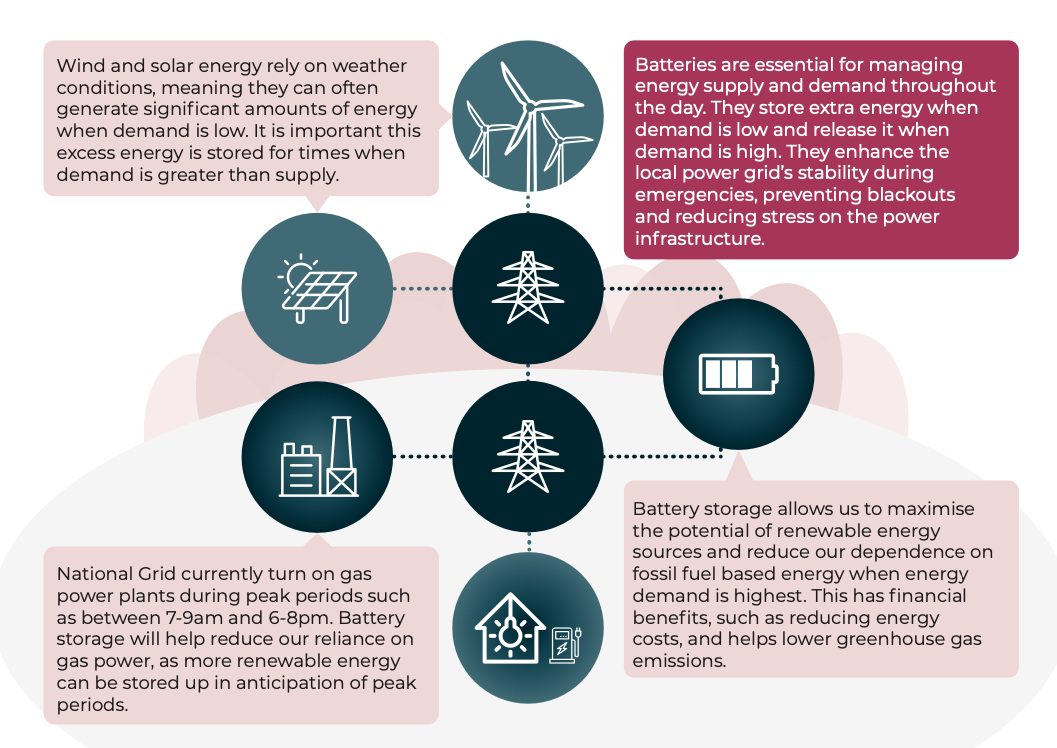
Why do we need BESS?
As the world faces increasing pressure to reduce reliance on fossil fuels and combat climate change, battery energy storage solutions (BESS) provide the answer to one of the biggest challenges of renewable energy: its intermittency. These solutions help balance the grid when weather dependent generation such as wind and solar either exceeds or falls short of electricity demand. As renewable energy continues to surge, the ability of
BESS to shift power to where and when it’s most needed will become even more crucial to maintaining grid stability and lowering consumer costs.
By expanding BESS capacity, we can take advantage of home-grown renewable energy, reduce fossil dependence, avoid expensive energy imports, and ultimately protect consumers and businesses from increasing energy prices – the benefits are mutually reinforcing.
To demonstrate these benefits with clarity and precision, we launched the UK BESS Carbon Emissions Calculator in partnership with LCP Delta and the National Wealth Fund. The open-source tool uses real-time data from Elexon and is designed to help users better understand the positive environmental impact of BESS developments.
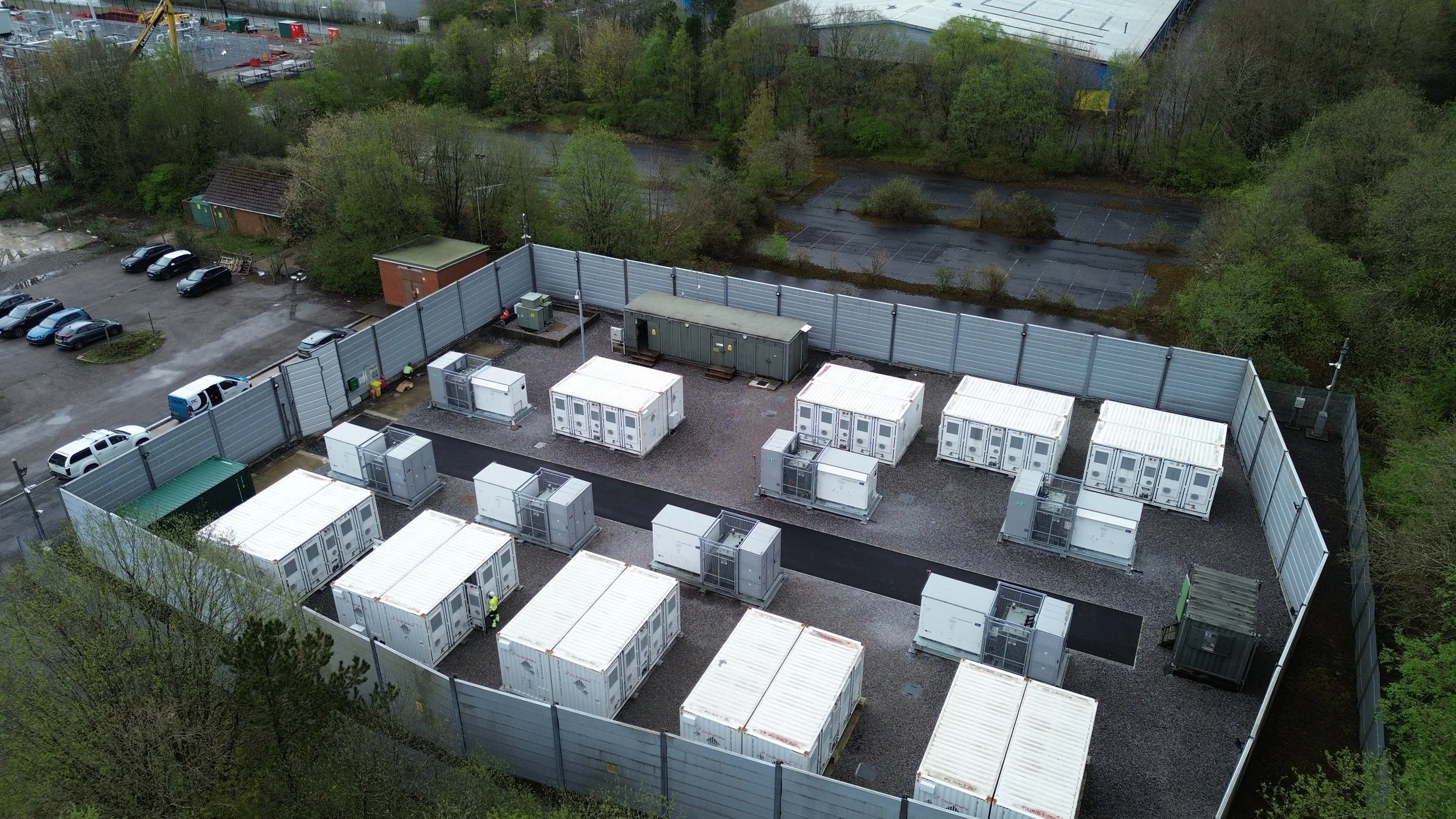
View of completed scheme Hirwuan in South Wales by Pulse Clean Energy.